
Slab leak detection and hidden pipe repair in Antelope
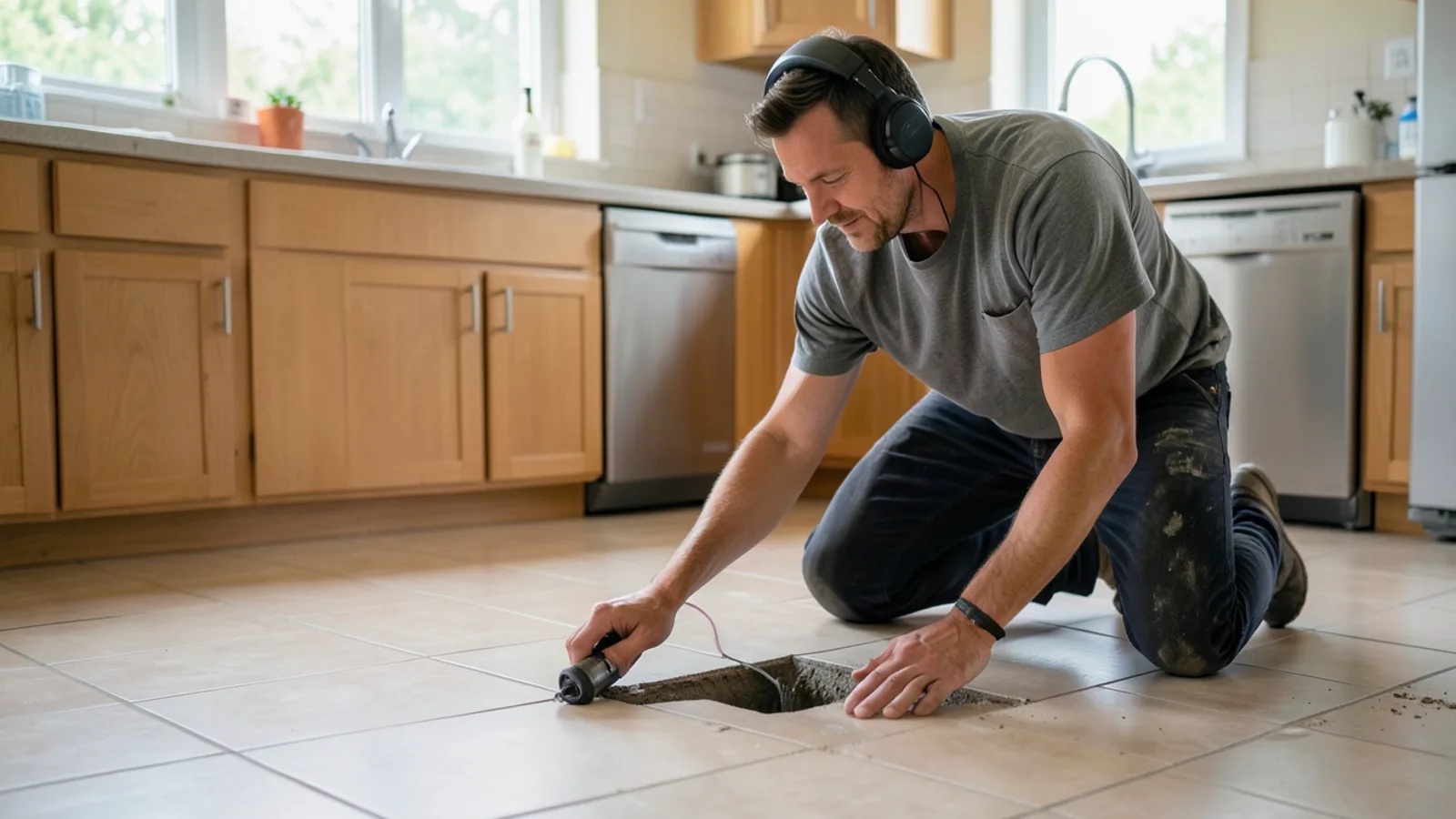
When warm floor spots, unexplained water bill increases, or running water sounds occur in your Antelope home, an under-slab pipe leak is likely active. Dispatched from 4320 Elverta Rd, our technicians use acoustic sensors and thermal imaging to locate hidden foundation leaks without invasive destruction.
What our Antelope leak detection service includes
Finding a water leak beneath a solid concrete foundation requires precision electronic diagnostics, not destructive guessing. We pinpoint the exact failure location before any floor or drywall cutting begins.
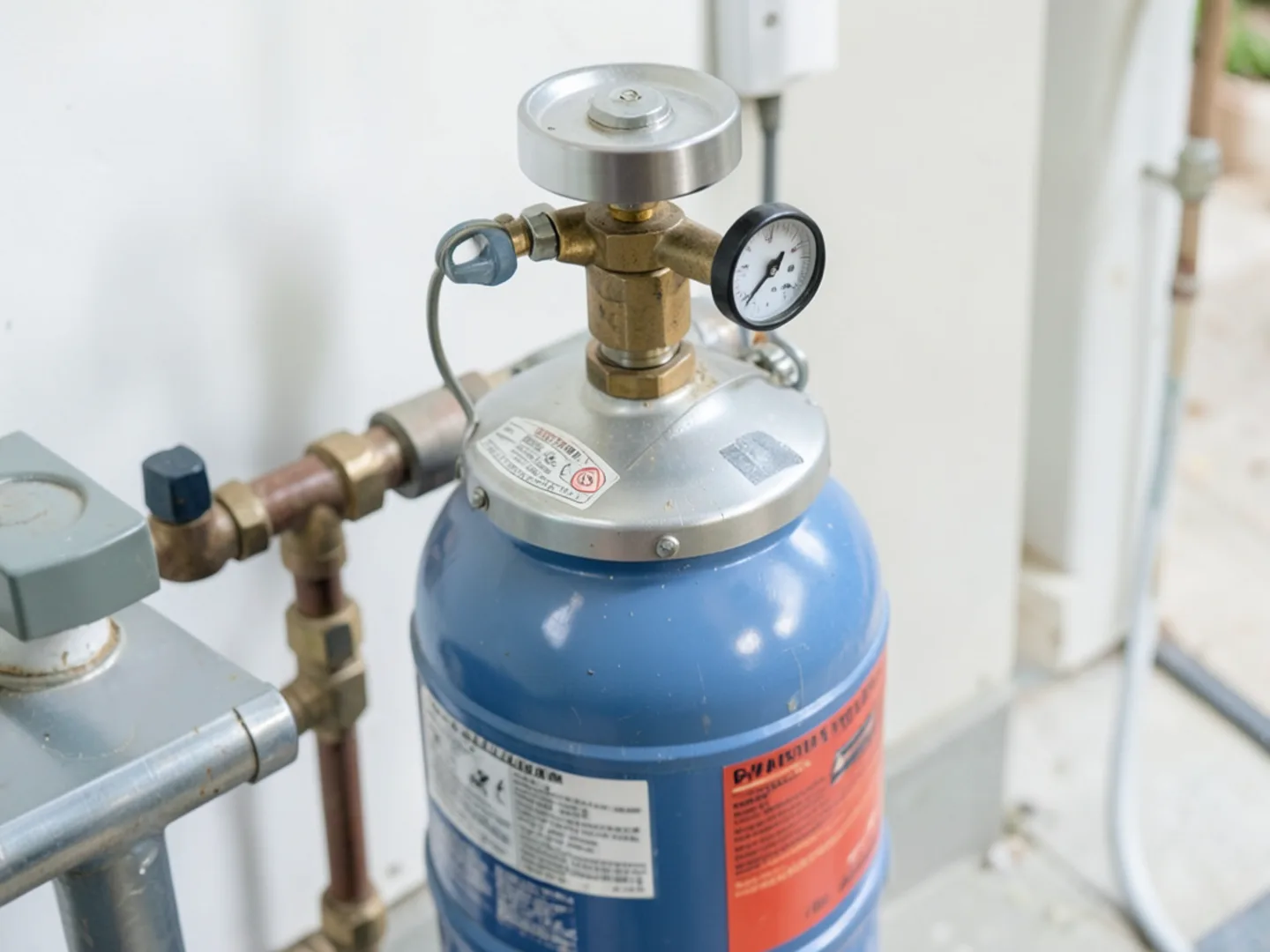
Our slab leak detection service covers: - Acoustic ground microphone scanning across concrete slab floors - Infrared thermal imaging to map subsurface hot water pooling boundaries - Nitrogen gas line pressurization to isolate small pinhole ruptures - Static pressure loss testing at hose bibbs and isolation manifolds - Electromagnetic pipe tracing to map underground supply line paths - Itemized written evaluation detailing direct repair vs overhead PEX reroute options
Recognizing the warning signs of an under-slab leak
Almost all single-family homes constructed in Antelope during the building boom between 1985 and 2004 are built on slab-on-grade concrete foundations. The primary copper water supply lines were laid directly in the sub-base soil and encased beneath the concrete floor before the foundation was poured.
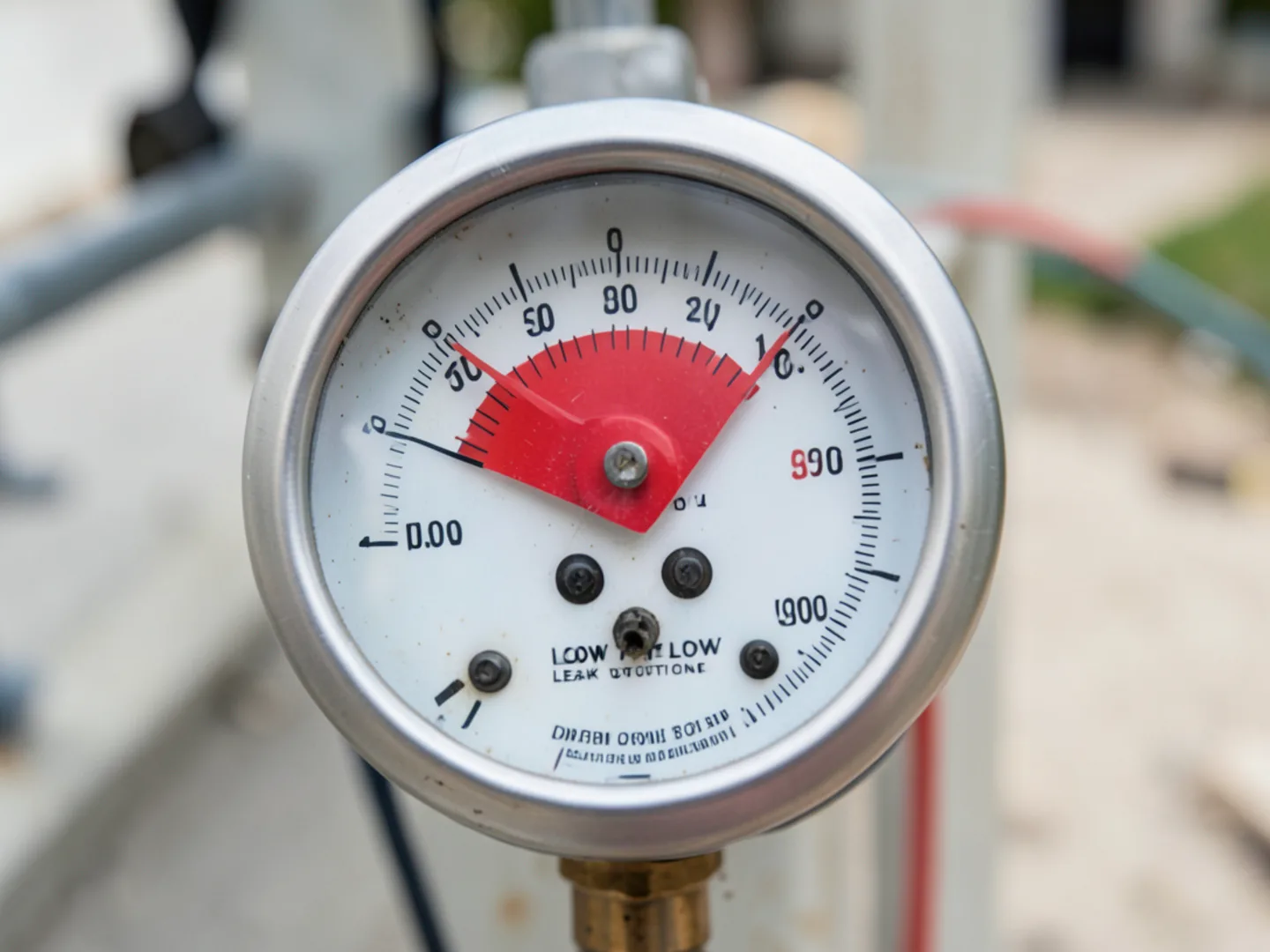
When an under-slab copper pipe ruptures, the water does not always show up immediately on top of the floor. The most common warning signs include: - A warm spot on a tile, vinyl, or carpeted floor (indicating a leak on the hot water line). - An unexplained spike in your Sacramento Suburban Water District utility bill. - The sound of water running or hissing through pipes when all faucets and appliances are turned off. - The small red triangular low-flow indicator dial on your exterior water meter spinning continuously. - Dampness or mildew growth along baseboards and bottom drywall plates.
Need Help with Slab Leak Detection Antelope?
Our plumbers are dispatched from 4320 Elverta Rd across Antelope and northern Sacramento. Call (207) 419-2600 for itemized written estimates.
Operating from 4320 Elverta Rd, Antelope, CA 95843 • Sacramento County
Non-invasive acoustic and thermal detection technology
Finding a leak beneath several inches of concrete slab and finished flooring requires precision diagnostic instruments. Smashing through random sections of tile or hardwood hoping to find a leak is costly and unnecessary.
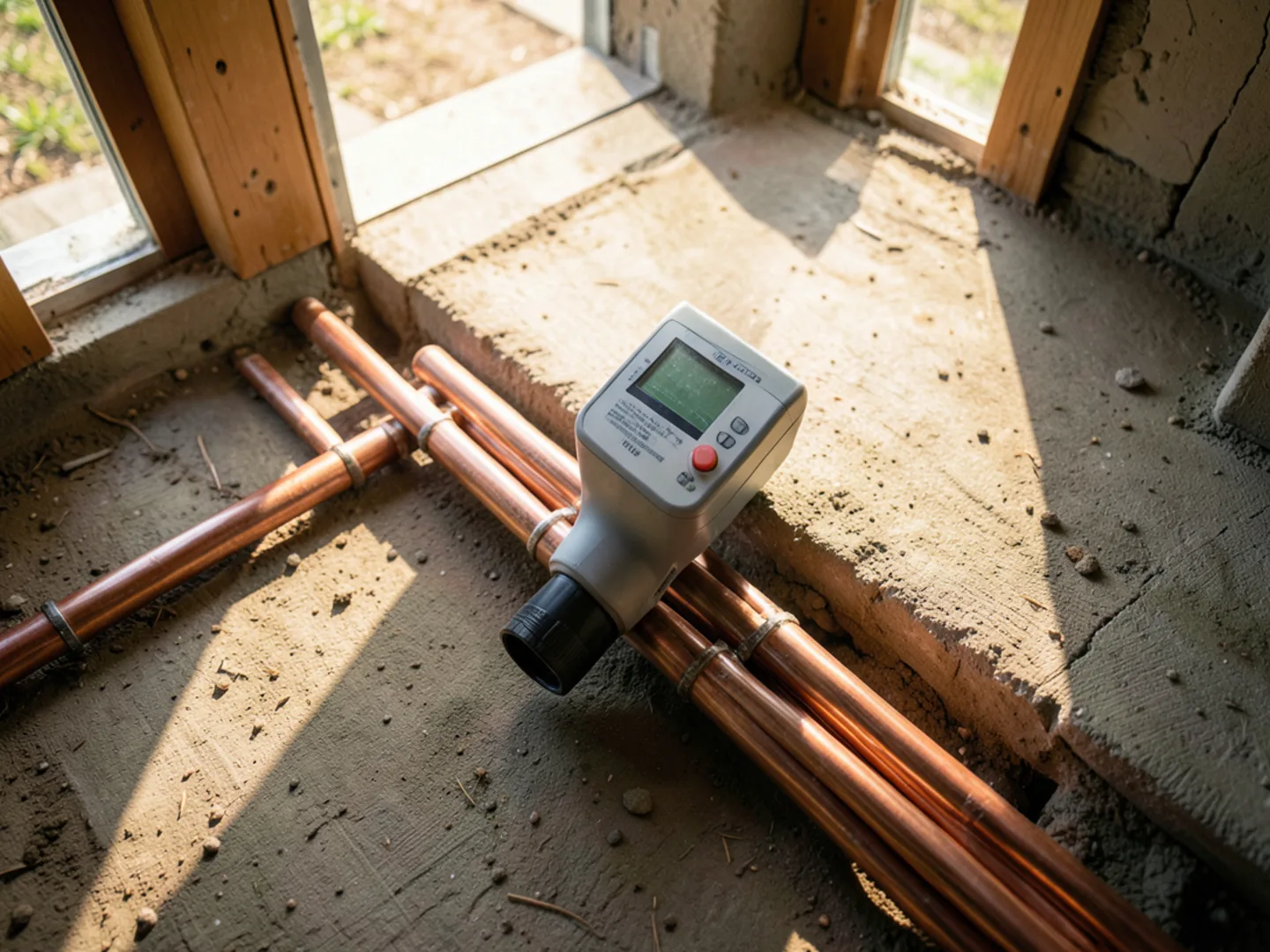
Our technicians use non-invasive acoustic ground microphones and electronic listening discs. Pressurized water escaping through a pinhole in copper pipe generates distinct high-frequency acoustic vibrations as it sprays against surrounding soil and concrete. By moving the sensor across the floor in a systematic grid, our technician pinpoints the exact point of maximum sound frequency.
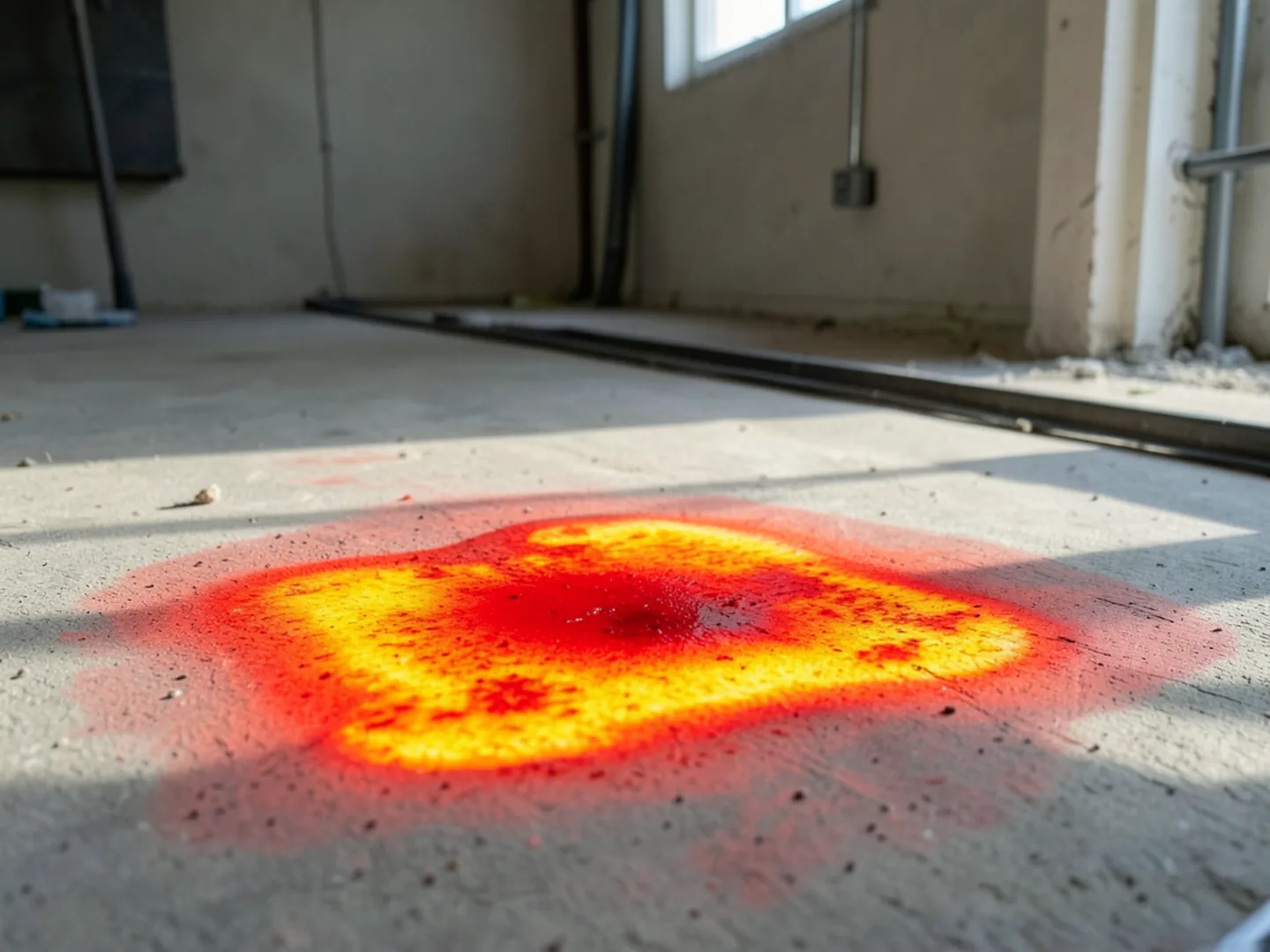
We cross-reference acoustic data with high-resolution digital thermal imaging cameras that visually map temperature gradients on the concrete slab, identifying the exact boundary of hot water pooling under the floor.
Our 5-step leak detection diagnostic procedure
When dispatched from our Elverta Rd shop to investigate a suspected slab leak, our plumbers follow a strict 5-step protocol:
- Static Pressure Decay Test: We isolate the municipal supply at the street meter, attach a calibrated pressure gauge to a hose bibb, and measure line pressure decay.
- Hot vs Cold Supply Isolation: By shutting off the cold-water inlet valve at the water heater, we determine whether the leak is on the domestic hot or cold distribution loop.
- Thermal Imaging Scan: We scan all flooring with a high-resolution infrared camera to detect heat blooms generated by escaping hot water.
- Acoustic Ground Survey: We use acoustic ground microphones to listen for high-frequency water turbulence through the concrete sub-base.
- Pipe Tracing & Surface Marking: We trace the pipe path with an electromagnetic locator and mark the exact leak spot with removable chalk for precise access.
Repair options: direct slab penetration vs overhead PEX reroute
Once the leak is pinpointed, our plumber explains two primary permanent repair options:
- Direct Slab Penetration: We carefully cut a small opening through the finished floor and concrete slab directly over the leak, excavate the soil around the pipe, cut out the failed copper section, and braze a new heavy-wall copper section in place with silver solder. This method makes sense if the rest of the copper plumbing is in good condition and the floor is easily patched.
- Overhead PEX Reroute: If the pipe is difficult to access beneath cabinetry, or if the copper pipe shows systemic pitting corrosion, cutting into the concrete slab carries risks. The preferred modern solution is an overhead reroute. We abandon the failed underground line in place and run a brand new, continuous flexible PEX-a water line up through wall cavities and across the attic, connecting directly to the fixture. An overhead reroute preserves your concrete foundation and eliminates future leak risks along that run.
Why copper pipes develop pinhole leaks in Antelope
Under-slab copper leaks in Antelope are driven by three distinct factors: soil movement, water chemistry, and installation practices during original tract construction. Northern Sacramento County soils contain expansive clay that expands when wet and contracts when dry, causing foundation settlement that stresses rigid copper tubing against hard aggregate stones.
In addition, water moving through copper pipes at high velocity creates friction turbulence around unreamed copper fittings. Over twenty to thirty years, this turbulence erodes the protective copper oxide patina inside the tube, resulting in pitting corrosion that perforates the pipe wall.
What to do while waiting for our leak detection specialist
If you suspect a slab leak, confirm it immediately by performing a water meter test. Turn off all faucets, showers, and water-using appliances. Walk out to your water meter box at the street, open the concrete lid, and observe the meter dial. If the small red flow indicator is spinning, water is actively moving through the system.
If you have located an obvious warm spot on the floor or water is pooling near baseboards, turn off the water heater's cold-water inlet valve. If the meter stops spinning, the leak is isolated to the hot water side. Call our shop at (207) 419-2600 to schedule diagnostic locating.
How to Verify Any California Plumbing Contractor
In California, contracting plumbers must hold an active C-36 Plumbing classification issued by the Contractors State License Board (CSLB). California does not issue tiered apprentice-to-master classifications; all contractors hold the C-36 credential. You can verify any contractor's active standing, workers' compensation coverage, and surety bond by searching their license number or business name on the official CSLB portal.
Why Antelope Homeowners Trust Our Shop
Communities We Serve for Slab Leak Detection Antelope
Direct response for 1980s and 1990s slab-on-grade subdivisions along Elverta Rd.
Clearing root intrusion in older vitrified clay laterals and restoring galvanized lines.
Repiping 1950s homes and upgrading sewer lines along the Watt Ave corridor.
Water heater replacements and acoustic slab leak detection near Elkhorn Blvd.
Commercial backflow testing, high-pressure jetting, and business park maintenance.
Historic bungalow plumbing repairs and cast-iron drain diagnostics.
Managing domestic supply lines, pressure tanks, and acreage plumbing layouts.
Semi-rural parcel plumbing, outdoor shutoffs, and service line repairs.
Questions About Slab Leak Detection Antelope
Practical answers from our local plumbing technicians based on Elverta Rd.
Related Plumbing Services
Communities We Serve
Schedule Slab Leak Detection Antelope in Antelope
Speak directly with our local plumbing coordinators based on Elverta Rd. We provide honest technical guidance and itemized pricing: (207) 419-2600.
Operating from 4320 Elverta Rd, Antelope, CA 95843 • Sacramento County